How to Read a Return Policy Before You Buy
A good price loses its shine if the item cannot be sent back. These are the details in a return policy that matter, and where they hide.
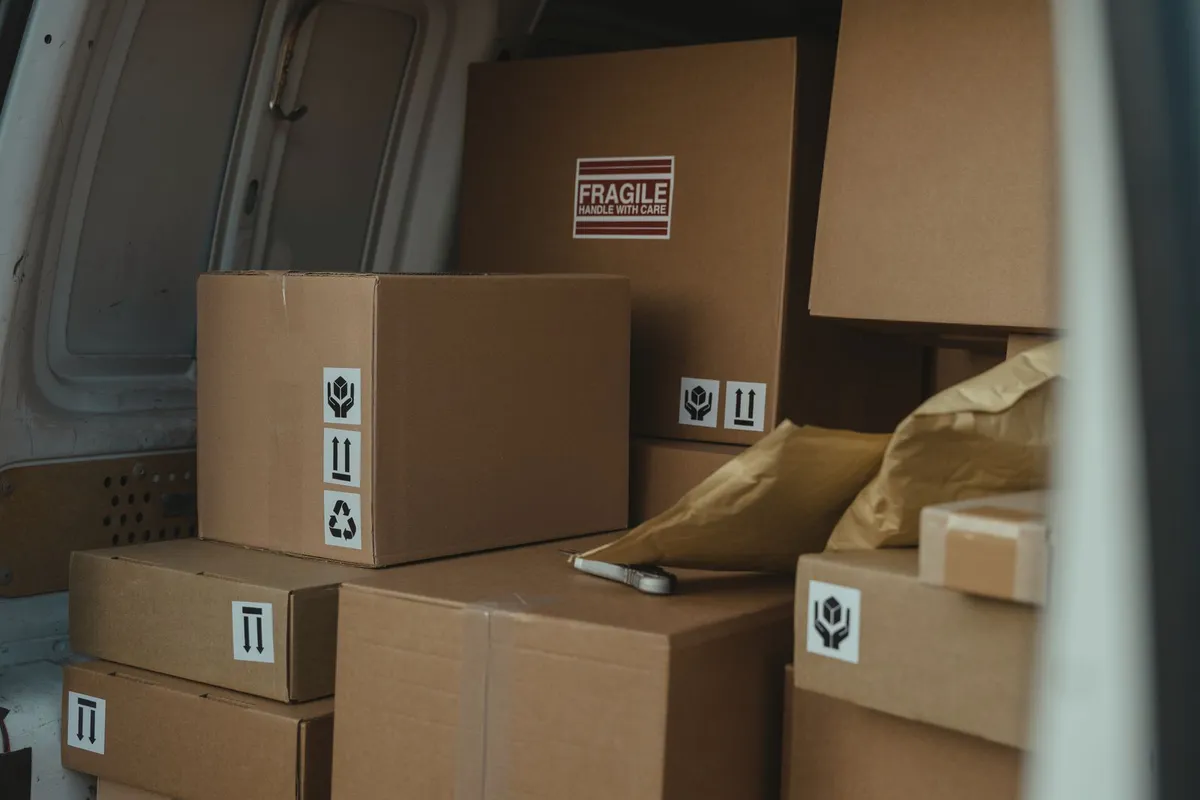
Most people read a return policy only after something goes wrong. Reading it before you pay takes two minutes and can save you the price of the item. Here is what to look for.
Where to find it
Look in the footer of the store's website, on the product page near the delivery details, and in your order confirmation email. If you cannot find a return policy at all, treat that as a warning sign.
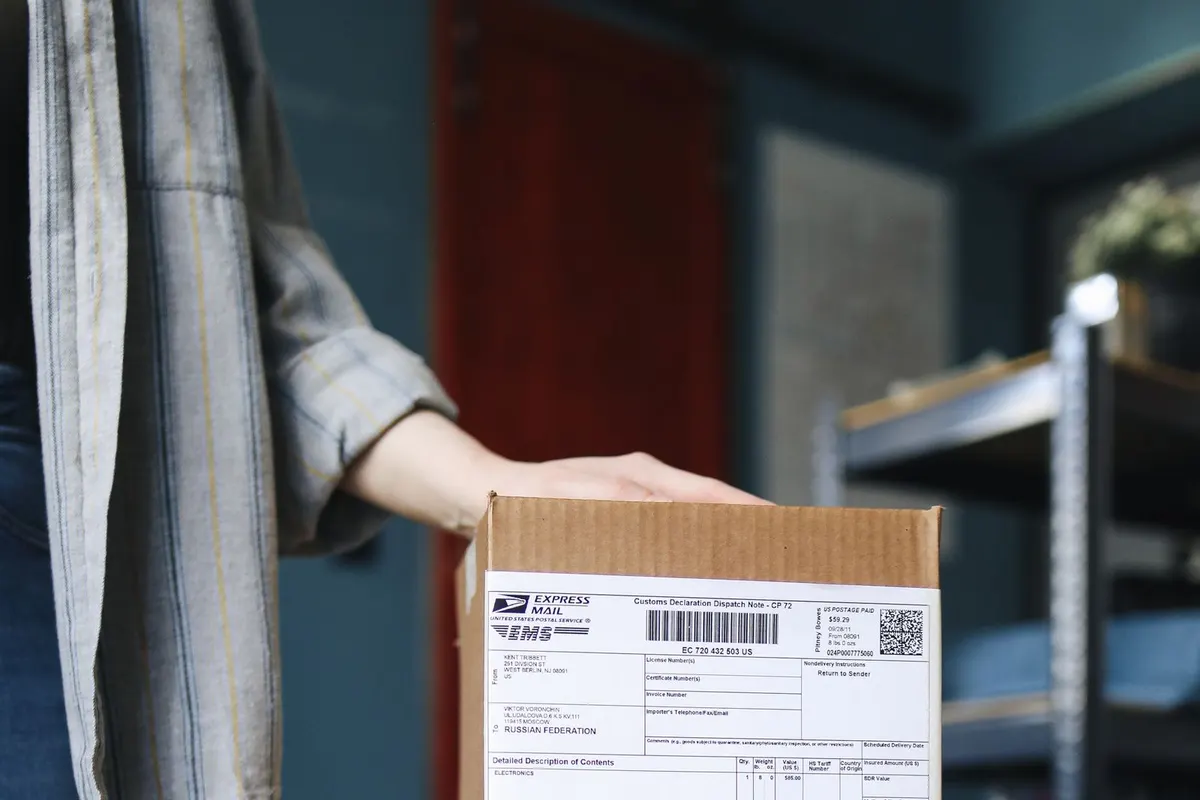
The seven things to check
- The return window. How many days you have, and whether the clock starts on the order date, the dispatch date or the delivery date.
- Who pays for return shipping. Some stores offer free returns, some deduct the cost from your refund, and some require you to arrange and pay for it.
- Restocking fees. Some retailers keep a percentage of the price, especially on large or opened items.
- Condition requirements. Unused, unopened, original packaging, tags attached. Opened electronics and hygiene products often have stricter rules.
- How you are refunded. To your original payment method, as store credit, or as an exchange only.
- Final-sale items. Clearance and personalised products are often excluded. The product page usually says so.
- How long the refund takes. Policies often state a number of days after the item is received.
Marketplace sellers are different
On a marketplace, the seller may set their own return rules, and they can differ from the platform's. Check whether the item is sold and shipped by the store itself or by a third party, and read the policy shown for that seller.
Your legal rights
Rights depend on where you live. In the United Kingdom and the European Union, consumers who buy online generally have a statutory right to cancel and return most goods within 14 days of receiving them, with some exceptions. In the United States there is no general federal right to return an online purchase, so the store's own policy is what counts. Check your local consumer protection authority for the rules that apply to you.
Protect yourself when you buy
- Save the order confirmation and the policy text, or take a screenshot of it on the day.
- Keep the original packaging until you are sure you are keeping the item.
- Photograph the item and packaging when it arrives, especially if it is damaged.
- Pay with a method that offers dispute protection, such as a credit card.
- Ask for tracking and proof of postage on returns, and keep them until the refund arrives.
If a store refuses a valid return
Start by writing to the store, quoting the policy and your order number. If that fails, contact your card issuer or payment provider about a dispute, and your local consumer advice service. Keep copies of all messages.
The short version
Before you click "buy", know the return window, who pays for postage, what condition the item must be in and how you will be refunded. A slightly higher price from a store with a generous policy is often the better deal.